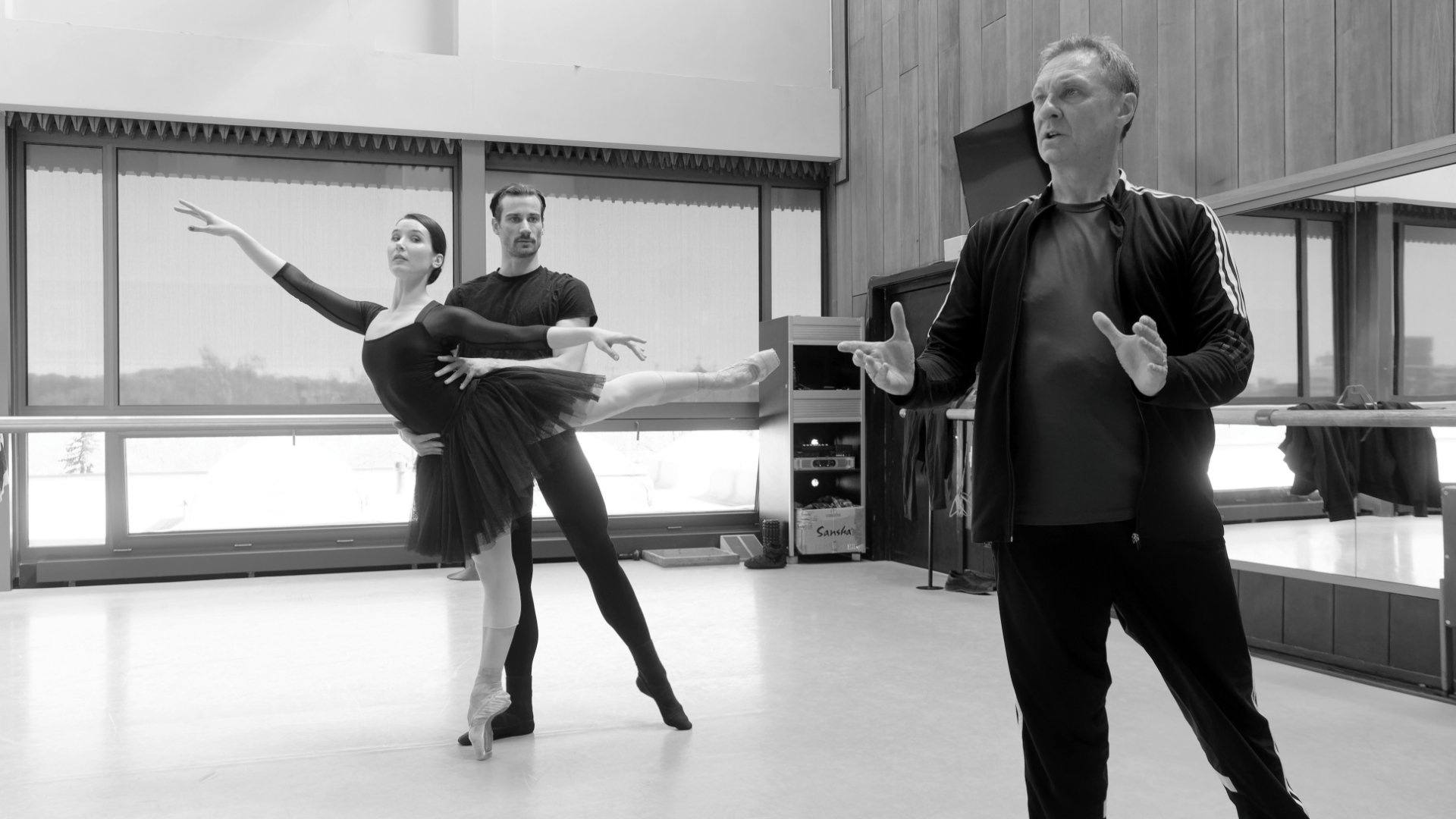
The Lithuanian National Opera and Ballet Theatre (LNOBT) is preparing for the premiere of ballet "Paquita" on 21-23 May. The new production reflects LNOBT's aspiration to cherish the tradition of classical ballet and collaborate with international creators.
The production is created in collaboration with an international creative team led by choreographer Manuel Legris, former director of the Vienna State Ballet and La Scala Ballet. He is joined by playwright Jean-François Vazelle and set and costume designer Jean-Marc Puissant. Such productions strengthen the LNOBT's position in the context of European ballet.
The repertoire of LNOBT is formed consistently - the theatre pays much attention to the growth of the company and a clear artistic vision. According to Jurgita Dronina, artistic director of LNOBT’s ballet company, the European level is not just about famous names on the posters.
"We aim to be able to perform classical heritage and today's creations equally convincingly, to have a clear artistic backbone and the highest quality criteria. LNOBT, as a national institution, must bear cultural responsibility and create a new stage of quality for the coming decades," – says J. Dronina.
Working with the LNOBT ballet company on the production of "Paquita", Manuel Legris emphasizes the dancers' preparation for the complex classical repertoire:
"Each dancer has their own distinct personality and individual strengths. However, I have no doubt that the LNOBT company has all the necessary qualities to present an ambitious program."
According to the choreographer, today the European ballet scene is based on professional dialogue and openness:
"The differences stem from cultural traditions and different schools, but today dancers everywhere are open and ready to take on new ballets, new works, to search and create together with choreographers."
This openness is also reflected in the repertoire of LNOBT, which combines classical ballets with contemporary works. According to J. Dronina, the repertoire in the theatre is important not only as a program of performances, but also as a means of consistently growing the company.
"Classical ballets develop discipline, purity of style, and academic backbone, while contemporary works become a laboratory where artists expand their physical and creative boundaries. For me, not only the repertoire list is important, but also its dramaturgy – how one work builds on another and how the level of the entire company consistently rises," – says J. Dronina.
"Paquita" becomes one of the most striking examples of LNOBT's focus on classical ballet, but alongside such works, contemporary choreography also plays an important role in the theatre. The theatre's aim is to cultivate a universal company, open to diverse artistic directions.